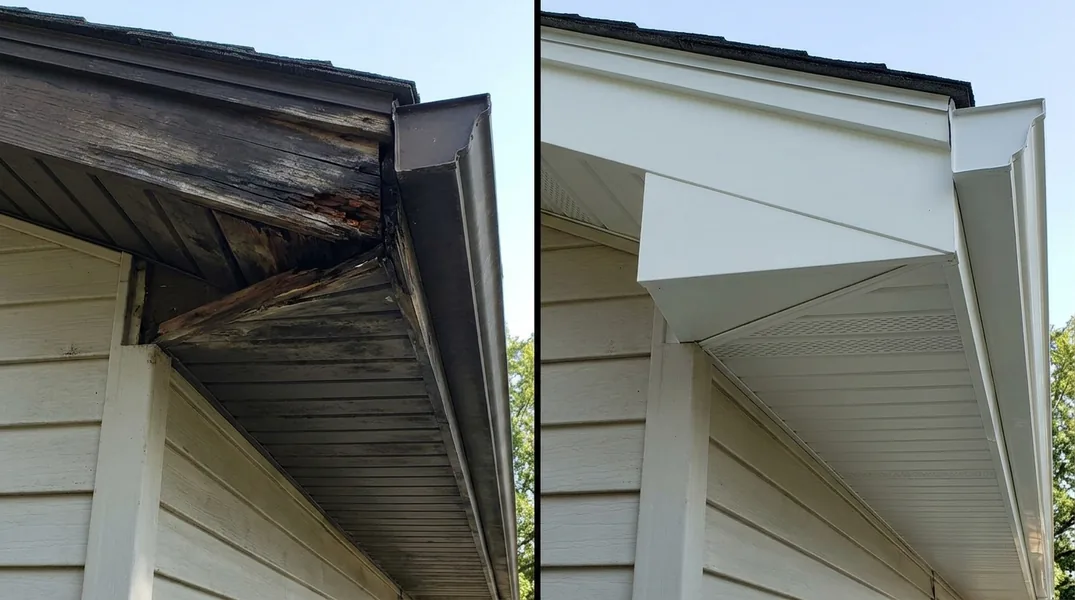
The Hidden Challenge of Sears Kit Homes and Victorian Architecture
If you own a Sears kit home or a charming Victorian in the Tanner District of Aurora, you're living in a piece of American architectural history. Sears kit homes, which were sold from the 1908s through the 1940s, represent an innovative approach to homeownership that made quality construction accessible to middle-class families. Victorian homes, particularly those built in Aurora's historic neighborhoods, showcase the craftsmanship and design sensibilities of the late 19th and early 20th centuries.
However, these charming older homes come with a serious maintenance reality that many owners discover only after problems develop. The wood framing, exterior siding, and structural components that made these homes affordable and beautiful at the time of construction are now more than 80 to 110 years old. Unlike modern homes built with pressure-treated lumber and synthetic materials, vintage kit homes and Victorians rely on untreated solid wood that is increasingly vulnerable to moisture damage, pest infiltration, and structural decay. Understanding the specific vulnerabilities of your home's era is the first step toward protecting your investment.
Why Sears Kit Homes Are Particularly Vulnerable to Wood Damage
Sears kit homes were engineered for efficiency and cost-effectiveness, not for the extended lifespan we now expect from residential construction. These homes typically feature solid wood framing, wooden floor joists, and wooden structural beams that were never treated with modern preservatives. The original construction methods, while sound for their time, did not account for the cumulative effects of a century of seasonal moisture cycles, temperature fluctuations, and exposure to the elements. When the original exterior cladding deteriorates or when gutters fail, water penetrates into the wall cavities and reaches the untreated wood frame inside.
The floor systems in Sears kit homes are especially prone to trouble. Many of these homes have wooden subfloors and floor joists that sit close to grade level or crawl spaces where moisture accumulation is common. Over decades, this constant exposure to dampness creates ideal conditions for fungal growth and wood decay. Wood Rot & Dry Rot Repair becomes necessary when the damage reaches a point where the structural integrity of the floor is compromised. Additionally, Sears kit homes often have balloon framing or other vintage construction techniques that can allow moisture to travel vertically through wall cavities, spreading damage far beyond the initial point of water entry.
Victorian Homes and the Tanner District: Maintenance Priorities You Cannot Ignore
Victorian homes in Aurora's Tanner District and similar historic neighborhoods are treasured for their architectural details, solid construction, and distinctive character. These homes typically feature hardwood flooring, ornamental plasterwork, decorative exterior trim, and structural elements that reflect the building standards of the 1880s through 1920s. However, the very features that make these homes beautiful also create maintenance challenges that modern homeowners often underestimate. The complex rooflines, multiple exterior materials, and intricate trim work provide numerous places where water can find its way into the structure.
Victorian construction typically relies on lime mortar, solid masonry walls, and wood framing that was never designed to be waterproofed in the modern sense. The assumption in that era was that wood would be regularly maintained, painted, and repaired. Today, many owners inherit deferred maintenance from previous decades, meaning that the protective coatings have failed, the mortar has deteriorated, and water has begun its slow but relentless work of decay. Floor Joist & Subfloor Repair is one of the most common interventions needed in Victorian homes, particularly in basement areas and first floors where moisture from the earth below has compromised the structural wood over time.
Early Warning Signs: When to Seek Professional Assessment
The key to protecting a Sears kit home or Victorian is catching problems early, before they compromise the structural integrity of your house. Soft or spongy flooring is one of the most obvious red flags. If you notice that certain areas of your floor feel bouncy, flex more than they should, or show visible cupping or warping in the hardwood, you likely have moisture damage in the subfloor or floor joists below. Visible mold or mildew on basement walls, crawl space beams, or in corner areas where walls meet the foundation is another critical warning sign. Musty odors in basements, crawl spaces, or first-floor rooms often indicate active fungal growth and ongoing moisture problems.
You should also pay attention to exterior warning signs that precede interior damage. Peeling paint on exterior wood trim, gaps in mortar between bricks or stones, deteriorated caulking around windows and doors, and sagging gutters are all conditions that allow water to enter your home's structure. If you notice carpenter ants or termites, this is a serious concern because these pests are attracted to wood that is already weakened by moisture and decay. Many homeowners in Aurora wait too long to address these signs, thinking that the problem will resolve itself or that the cost of repair is prohibitive. In reality, early intervention is always less expensive and less disruptive than waiting for structural failure. If you suspect wood damage, the best course of action is to request a free estimate from a qualified carpenter who can assess the extent of the problem and recommend solutions.
Structural Repairs and Long-Term Solutions for Historic Homes
Once wood rot or dry rot is confirmed, the repair strategy depends on the extent of the damage and the structural importance of the affected member. In some cases, damaged wood can be cut out and replaced with new pressure-treated lumber that matches the original dimensions. In other situations, particularly when load-bearing beams or floor joists are involved, more comprehensive intervention may be necessary. Beam Replacement & Load-Bearing Wall Removal requires careful planning, temporary support structures, and structural engineering to ensure that the repair does not compromise the integrity of the rest of the house.
Beyond the immediate repair, addressing the underlying moisture problem is essential to prevent recurrence. This might involve improving drainage around the foundation, repairing or replacing gutters and downspouts, sealing exterior cracks and gaps, improving ventilation in crawl spaces, or installing interior moisture barriers. For Victorian homes with masonry walls, repointing deteriorated mortar with lime-based mortar (rather than modern Portland cement) is often the appropriate approach, as it allows the wall to breathe and prevents moisture from being trapped inside the masonry. The goal is not just to repair the damage that exists today, but to create conditions that prevent new damage from developing in the future. This long-term perspective is what distinguishes a quality repair from a temporary patch.
Planning Your Budget and Finding the Right Contractor
Homeowners facing structural wood repair in older homes often struggle with the question of cost. The pricing for wood rot repair varies significantly depending on the location of the damage, the structural importance of the affected wood, whether the repair requires temporary support, and the extent of the deterioration. A small area of rot in a non-structural member might cost a few hundred dollars to repair, while structural beam replacement could run several thousand dollars. Rather than guessing at the cost, the most practical approach is to have a professional inspection and detailed estimate. This gives you a clear understanding of what needs to be done, why it needs to be done, and what the investment will be.
When selecting a contractor for wood rot repair or historic home maintenance, experience with older homes is essential. Not all carpenters have the knowledge to properly repair Sears kit homes or Victorian structures. You want someone who understands the original construction methods, who knows how to source and install appropriate replacement materials, and who can address both the immediate damage and the underlying moisture problem. Aurora Carpentry has deep experience with historic homes throughout Aurora, and the team understands the specific challenges that Sears kit homes and Victorian properties present. To discuss your home's needs and get a professional assessment, call (815) 916-4993 or visit the website to request a free estimate.
Looking for a professional carpentry contractor in Aurora? Aurora Carpentry responds fast for all your carpentry needs.
Get a Free QuoteOur services: Wood Rot & Dry Rot Repair · Termite Damage Repair · Floor Joist & Subfloor Repair